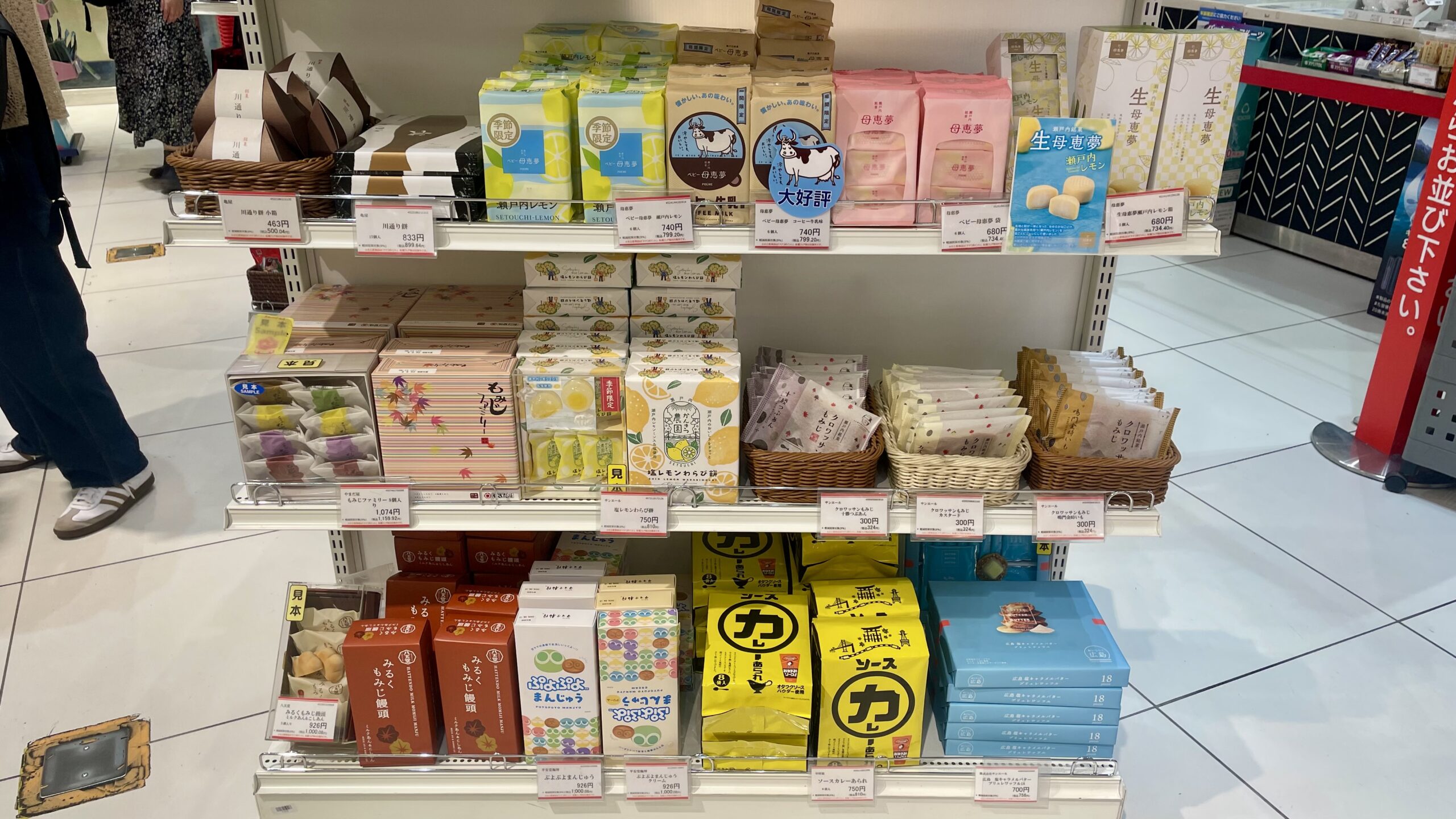
In Japan, it’s completely normal to come back from a trip with a bag full of souvenirs — not just for yourself, but for your family, your friends, and even your coworkers.
At the office especially, it’s a common sight: someone returns from a trip and hands out little snacks to everyone at their desk.
If you’re not used to this, it might seem strange.
“You went on a trip to enjoy yourself. Why do you need to buy something for everyone else, too?”
Here’s the thing: the Japanese word omiyage (お土産) doesn’t quite mean the same thing as “souvenir” in English.
In English, a souvenir is usually something you buy for yourself, as a keepsake of your trip. In Japan, omiyage is often bought for other people — as something to give away.
I do this myself. Whenever I travel, I bring back omiyage for my family, my friends, and my coworkers.
But honestly? Picking out something for the office is kind of a hassle. Sometimes I don’t even tell my coworkers I’m going on a trip, just so I don’t have to deal with it.
In this article, I want to share what omiyage culture actually looks like in Japan — including that slightly embarrassing part of my own experience.
Omiyage Isn’t Just for Yourself
When people hear “omiyage,” they might picture something you buy for yourself as a memento — and sure, some people do that too.
But in Japan, it’s very common to buy omiyage for someone else: family, friends, a partner, or coworkers.
You come home from your trip, hand it over, and say something like, “Here, this is for you.”
It’s not really about the object itself. It’s more like a small message wrapped up in a snack:
“I went on a trip.”
“This was good, so I wanted to share it with you.”
“I was thinking of you while I was away.”
In other words, omiyage isn’t just a travel keepsake — it’s a small gift that can help maintain a connection with the people around you.
At the Office, Individually Wrapped Snacks Are Common
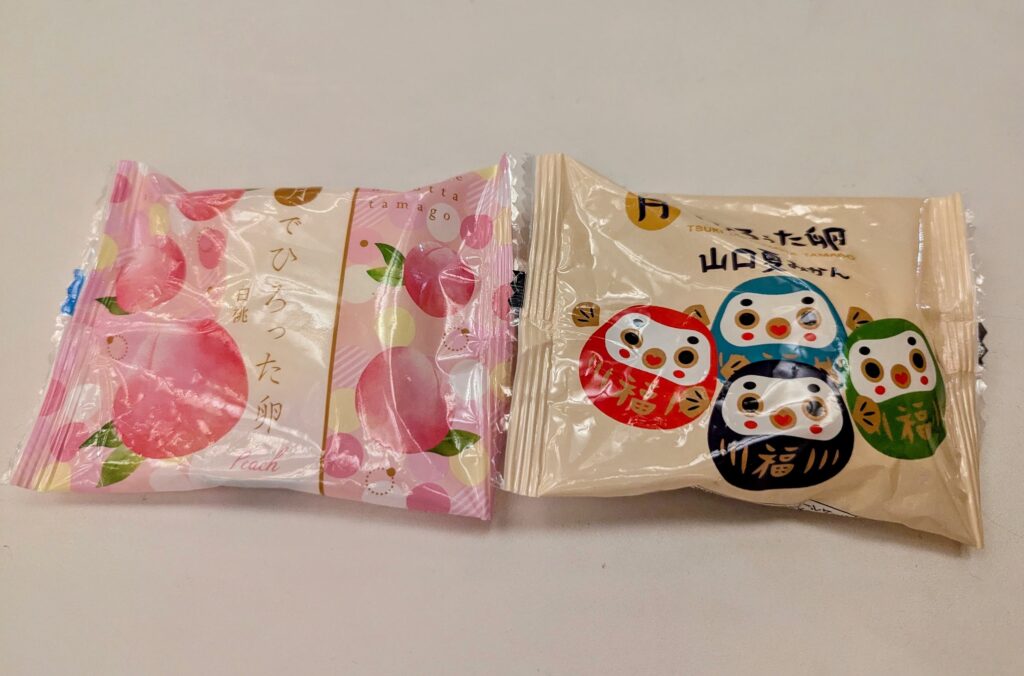
If you’re bringing omiyage to work in Japan, it’s very common to choose individually wrapped snacks — cookies, rice crackers, manju (sweet-filled buns), chocolate, or whatever the region is known for.
Why snacks, specifically?
For one, they’re easy to hand out. Since they’re individually wrapped, you can give one to each person, and nobody has to eat it on the spot — they can just take it home.
Snacks also disappear once they’re eaten, which makes them feel lighter than something that sticks around. A physical keepsake can feel like a burden to the person receiving it; a cookie doesn’t.
I lean toward snacks myself when I’m choosing something for coworkers. Something everyone can casually share and eat together feels a lot easier to give than anything more “permanent.”
Choosing Omiyage Is Harder Than It Sounds
At this point, you might be thinking, “That’s really thoughtful of Japanese people.”
And sure, it is — but there’s another side to it, too. Buying the omiyage isn’t the hard part. Figuring out what to buy is.
Especially for the office, there’s a surprising amount to think through:
- How many people do I need to buy for?
- What kind of snack will people actually like?
- Will there be enough for everyone?
- Does anyone not like sweets?
I genuinely find this stressful sometimes. And that’s exactly why I’ve occasionally just… not told my coworkers I was going on a trip. No trip announcement, no omiyage obligation.
That’s just my own quirk, to be clear. But I don’t think I’m the only one who feels a little pressure of “I went on a trip, so now I have to bring something back for the office.”
That pressure is honestly part of what makes omiyage culture so interesting.
So Why Do Japanese People Buy Souvenirs for Others?
One big reason is simple consideration for the people around you.
While you’re off enjoying your trip, the people back home or at work are just going about their normal routine. Omiyage is a small way of sharing a bit of that experience with them when you get back.
The history of omiyage is connected to older gift-giving traditions and pilgrimage culture in Japan, including the rise of popular pilgrimages during the Edo period.
For example, Ise pilgrimage became especially popular during the Edo period, when large numbers of ordinary people traveled to Ise Jingu. Ise Jingu’s official website notes that its onshi, religious agents who acted as a bridge between the shrine and worshippers, also traveled around Japan distributing Ise-related gifts and calendars while promoting the shrine’s faith.
These kinds of traditions are often discussed as part of the historical background of today’s omiyage culture.
That said, not every single person in Japan follows this custom.
Some people don’t buy omiyage at all. Some only buy something for themselves.
Who you buy for, how much you spend, and what you choose all vary from person to person.
Omiyage Is About More Than the Object
The more I think about omiyage, the more it seems like it’s not really about the item itself.
It carries a message:
“I went on a trip.”
“This was good, so here you go.”
“I thought of you while I was away.”
That’s probably why something affordable and easy to hand out — like snacks — tends to win out over anything more expensive for the office.
For me, bringing something back for coworkers doesn’t really feel like giving a “gift.”
It feels more like sharing a little bit of my trip with them.
A Little Strange, A Little Bit of a Hassle
To an outsider, the habit of buying souvenirs for family, friends, and coworkers every time you travel might look a little unusual.
And figuring out what to get?
Honestly, sometimes it really is a pain.
But even so, picking out a box of local snacks, bringing it back, and handing it over with a simple “Here, share this” — that’s just an ordinary part of everyday communication in Japan.
Omiyage might just be a small box of snacks.
But inside that box, there’s usually a little bit of connection, and a little bit of consideration for the people you’re giving it to.
And sometimes, to avoid the whole ordeal of choosing it, people just keep their trip a secret in the first place.
That, too, might be a pretty real side of Japanese culture.