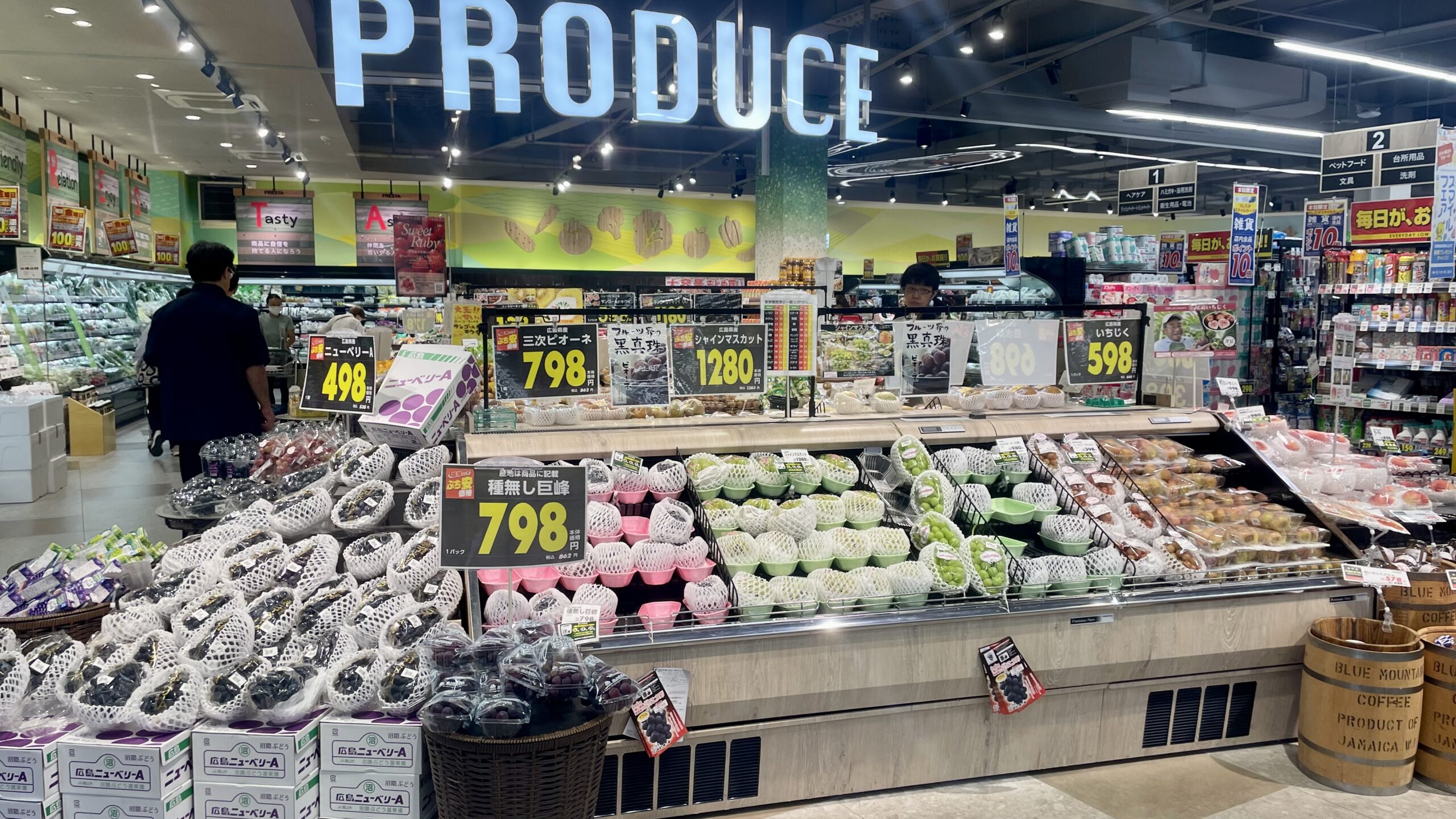
For me, grocery shopping is just part of a normal week. I’m Japanese, and I do my own shopping regularly — mostly at a supermarket chain called Fresta — so this article is really about how I actually do it, along with some general information that might be useful if you’re curious about Japanese supermarkets more broadly.
What Can You Buy at a Japanese Supermarket?
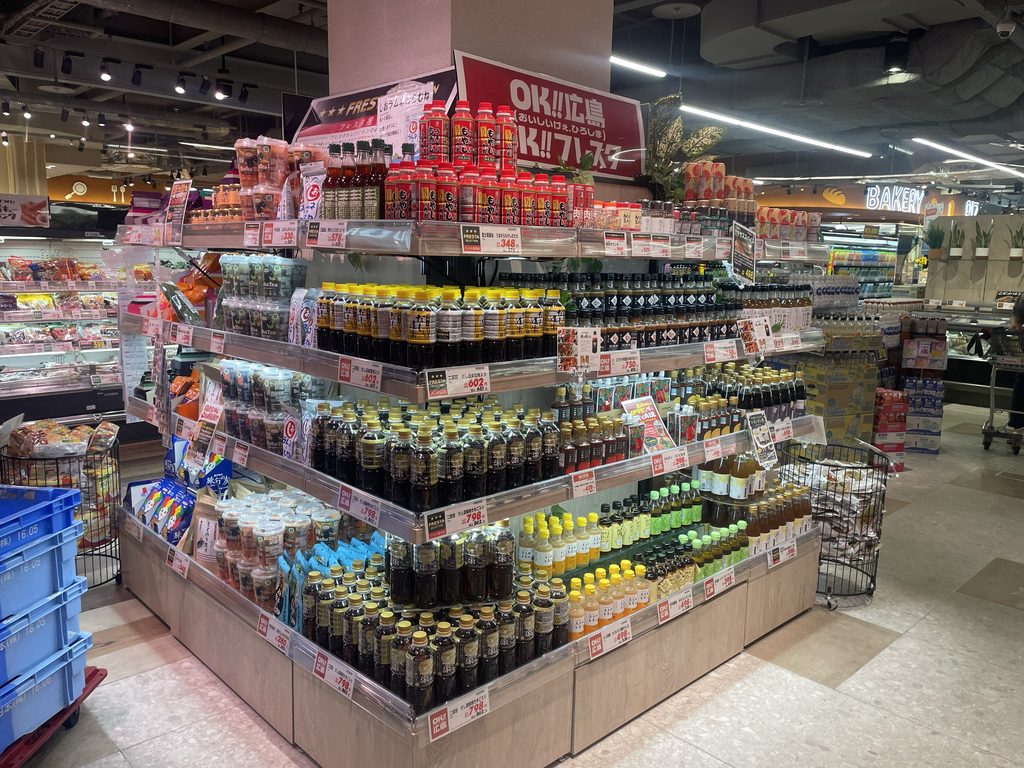
A Japanese supermarket generally covers what you’d need for daily meals: fresh produce, a meat section, a fish counter, dairy and drinks, seasonings, and a prepared-food section sitting alongside the raw ingredients.
My own shopping list is a fairly ordinary example. When I do my grocery shopping, I’m mostly buying rice, vegetables, meat, fish, eggs, milk, seasonings, and snacks. It’s not a special list — it’s just what gets me through the week.
How I Actually Shop for Groceries in Japan
I Usually Use Both an Online Supermarket and a Physical Store
I split my shopping between two channels. About once a week, I use Fresta’s online supermarket service, Everyday Fresta, and order a full week’s worth of groceries in one go. Then, roughly once every two weeks, I go to the physical store — mainly for things the online store doesn’t carry.
So for me it isn’t “online or in person.” It’s both, doing different jobs.
Why I Use an Online Supermarket
I have three reasons for leaning on the online supermarket for most of my weekly shopping.
- I don’t have to carry heavy items home. Rice and bottled seasonings add up fast, and skipping that trip helps.
- It saves time. I don’t have to spend as much time actually going to the store.
- It helps me avoid impulse buys. When I’m not standing in front of the shelf, I don’t end up grabbing things I hadn’t planned on.
That said, the physical store still matters to me. It’s just handling a different part of the shopping.
What Feels Different About Japanese Supermarkets?
A few things stand out to me as fairly characteristic of shopping here.
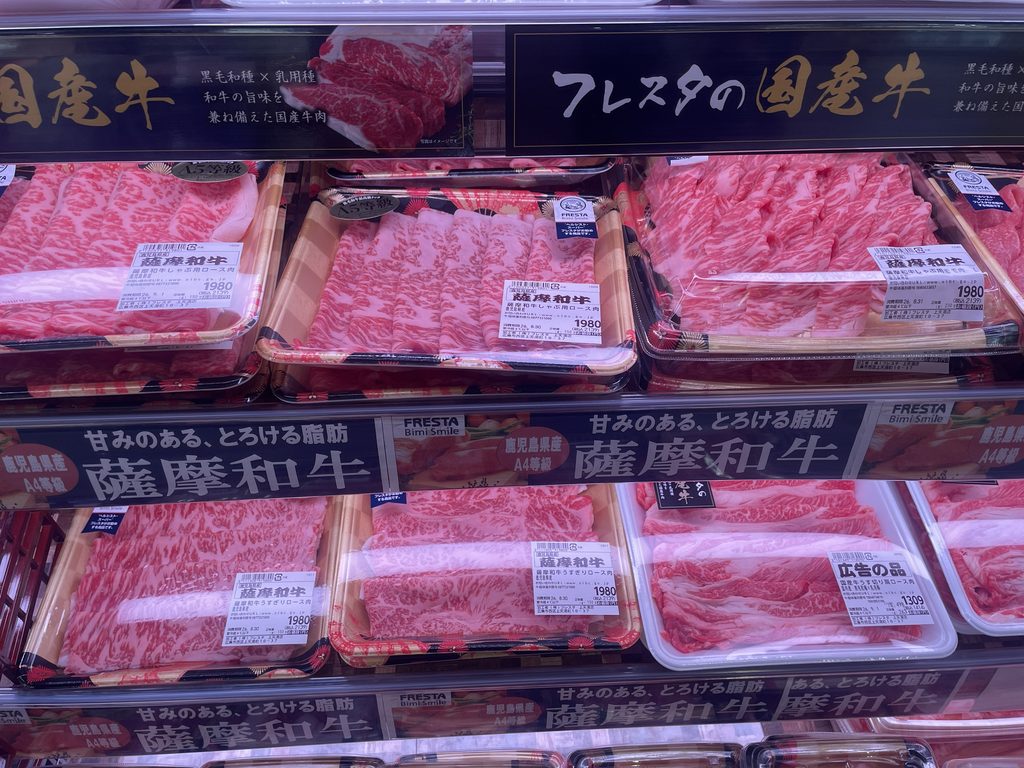
Many supermarkets in Japan have a dedicated fish section, with whole fish, fillets, and sashimi-cut pieces often sitting side by side. Meat is also commonly sold pre-cut into thin slices or minced, rather than only in large cuts. You’ll often find cuts that work well for dishes like sukiyaki and shabu-shabu.
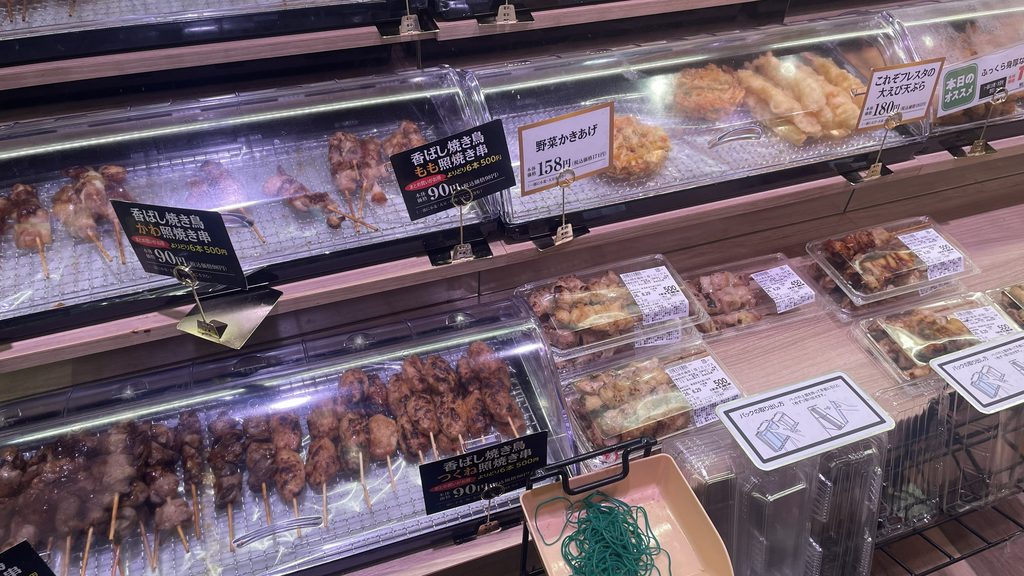
The prepared food section — souzai — is another thing I find genuinely useful. It’s already cooked, ready to eat, and honestly tasty, which makes it convenient on days I don’t feel like cooking.
You’ll also notice the shelves shift with the seasons: strawberries and seasonal sweets in spring, watermelon and cold noodles in summer, chestnuts and sweet potatoes in autumn, mandarins and hot-pot ingredients in winter.
And at checkout, some supermarkets offer both staffed lanes and self-checkout machines, so you can pick whichever suits the moment.
Things That May Be Confusing at First
A couple of things about shopping here can take some getting used to.
Sections are organized by category, but depending on the store’s layout, it isn’t always obvious where something is on your first visit, especially if you’re not reading Japanese-language signage yet.
The fried and grilled food counters also work a little differently than you might expect. Items like yakitori are often sold by the piece rather than pre-packaged — you pick them up with tongs, put them in a container yourself, and take them to the register.
It’s a small detail, but it can feel unclear the first time you run into it.
Japanese Supermarkets vs. Convenience Stores
It’s worth separating these two, since they get lumped together a lot.
A supermarket is generally where you’d go for a full grocery shop — fresh vegetables, meat, fish, rice, dairy, and prepared foods, with a much bigger selection overall.
A convenience store, or konbini, is built more for quick, small purchases: drinks, snacks, a fast meal, plus services like ATMs.
That doesn’t mean convenience stores skip food entirely. Japanese konbini sell a wide range of it too, from bento and onigiri to bread and prepared dishes.
But for a real week’s worth of shopping, a supermarket is generally the better fit, while a convenience store is what you’d reach for when you just need one or two things on your way home.
A Supermarket Is a Place for All Kinds of People
When I was a student, I worked part-time at a supermarket checkout, and it gave me a different way of seeing the place. From behind the register, you notice things a regular shopper wouldn’t.
Some customers came in with a full cart, clearly buying a week’s worth of groceries at once. Others walked up with just one item — a prepared meal for that night’s dinner, nothing else.
And every so often, a family would come through buying a large platter of prepared food or a big sushi set. Seeing that, I’d sometimes wonder if it was for some kind of celebration — though that was just my own guess in the moment, not something I actually knew.
What stuck with me wasn’t any single customer, but the range of them.
The same checkout line saw people stocking up for a week and people buying dinner for one night, sometimes back to back.
So, What Is a Japanese Supermarket Really Like?
For me, it’s not a special place — it’s just where the week’s food comes from.
But looking back at it through the checkout job, and through my own routine now, I think it says something honest about daily life here: different people, different needs, all passing through the same aisles.